We are currently experiencing problems with one of our SIP providers which services our telephone number 01536 425996. Please use our alternative office number of 01908 888337 until further notice. Many thanks, and apologies for any inconvenience
Network design and installation
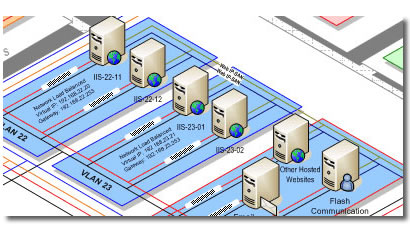 Everything relies on your data network. If you use external cloud services, your network is even more critical. A good network starts with a good design, and as it grows it may need design changes.
We are professional network consultants that have helped companies such as British Telecom, Domino’s pizza and the Mandarin Oriental get the most from their network.
Matrix42
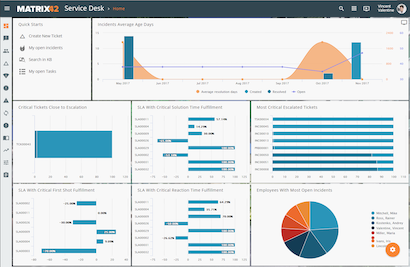
Matrix42 software provides your users with a simple and secure digital working environment.
Automated processes such as software distribution or license allocation will make your IT faster.
A user-friendly service catalog and end-to-end service processes make your users more productive.
Simply Better WIFI !
 Not all WIFI solutions are equal, the more users you have and more services you place on WIFI (streaming video, telephone calls) , the more this becomes more visible.
Have you ever been to a meeting or conference where only a few people at a time could connect to the WIFI at once?
Do you select meeting places based on the fact that they have good WIFI ?
Teachers, do you spend more time trying to get your students on the network than actually delivering the lesson?
We have partnered with Ruckus Wireless to provide better WIFI. They hold a number of patents for technology which enables high numbers of users at the same time, reduction of interference from other WIFI networks and easy point and click management.
Unified Communications
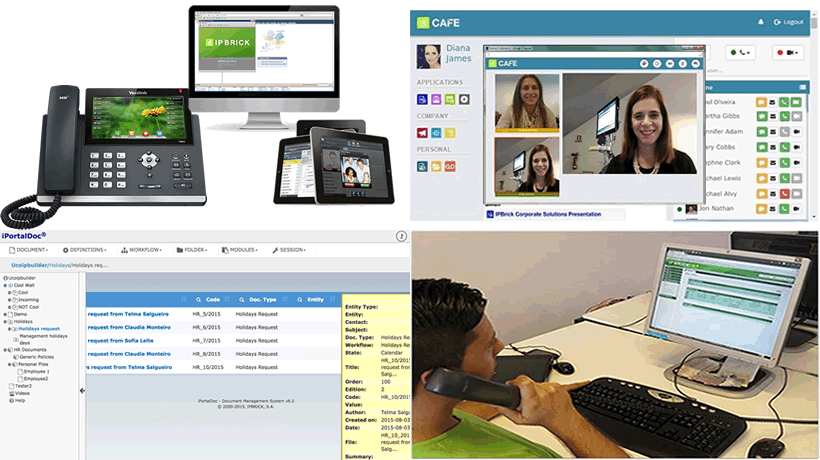 Unified Communications used to refer to the fact that the phone networks and computer data networks now run on the same network, the Internet. However it means more than that now. It should refer to how people work not the technology. Unified communications should refer to that fact that teams of people can work together as a team in a unified way, on any device and in any location with access to the Internet.
We are the UK distributors of a European technology which enables teams of people to share documents, email, Video Conference, make telephone calls and create work-flows from anywhere in the world.
Combined with our network engineering and Ruckus WIFI, we can supply your organisation with some innovate solutions. Previous customers have often reduced communications costs by 50%
Private Cloud Computing
 The technology used to create cloud computing systems are available to everyone.
However not everyone has the requirement to run their own cloud computing environment.There are often specific business requirements for an organisation to own and manage their own computing environment, while still taking advantage of cloud computing.
The most common reason for a business to run a private cloud solution is concerns about security, data protection laws and regulation.
We can help you create a private cloud computing environment to suit your business needs using server virtualisation, High performance storage and other technologies used by the mainstream cloud providers.